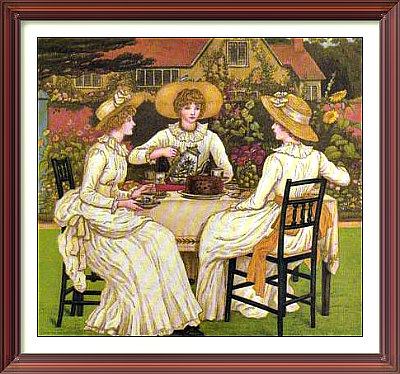
Afternoon Tea: Painting by the Victorian artist Kate Greenaway for Girls' Own Paper. Image cropped.
 How to run stable diffusion with no fuss: runpod | For the best frame for your pic, click here | Advertise here | gre作弊 gre保分 gre代考 gre代考靠谱吗 gre替考
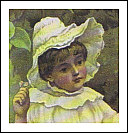 Blog: May 4, 2019: This is a detail of a sentimental illustration from a forgotten book called Queen of the Meadow, by Robert Ellice Mack. Such works were the first to be written to appeal to the interests and fantasies of children. In earlier ages, the aim had been to exhort the child to pray regu-
larly and generally lead a God-fearing life. See the whole picture here. Previous blog posts are here.
– Logan Brockhurst, hasbara (at) hotmail.co.nz
Click on the icons below for my articles on mental illness and my photos of imperial China, repectively. Sorry, the links are not active yet. Please check back after a week.
|


|
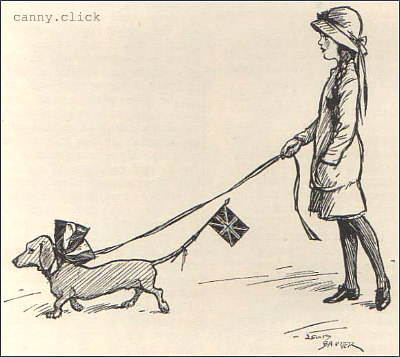
Patriotic dachshund: From Punch, September, 1914.
Click here to see the German dachshund begging.
Cliquez ici pour voir le teckel allemand mendier.
 Balkan Beast: Bulgaria in World War I, Part 1.
Balkan Beast: Bulgaria in World War I, Part 2.
Britain's Jewish Problem, by M.G. Murchin, 1939.
Catalog of Edwardian Kisses.
中国陶瓷烧瓶。Chinese ceramic flask, 1800s.
莲履。Chinese lotus shoes, circa 1900.
一瓶'奇迹宝贝'的药。Chinese medicine, 1800s.
Colonial architecture: Greenhaugh, NZ, 1874.
Balkan Beast: Bulgaria in World War I, Part 1.
Balkan Beast: Bulgaria in World War I, Part 2.
Britain's Jewish Problem, by M.G. Murchin, 1939.
Catalog of Edwardian Kisses.
中国陶瓷烧瓶。Chinese ceramic flask, 1800s.
莲履。Chinese lotus shoes, circa 1900.
一瓶'奇迹宝贝'的药。Chinese medicine, 1800s.
Colonial architecture: Greenhaugh, NZ, 1874.
 Death of a Zeppelin, 1916, Part 1.
Death of a Zeppelin, 1916, Part 2.
Delhi in the 1850s. Map of British India forces.
Franco-Prussian War, 1870: Cartoons from Punch.
Golden age of book binding.
India in the 1700s: Collection of engravings.
Ireland in turmoil: Collection of engravings.
Japanese traditional kokeshi dolls, late 1960s.
Japanese wartime cartoons, from Japan Times.
Death of a Zeppelin, 1916, Part 1.
Death of a Zeppelin, 1916, Part 2.
Delhi in the 1850s. Map of British India forces.
Franco-Prussian War, 1870: Cartoons from Punch.
Golden age of book binding.
India in the 1700s: Collection of engravings.
Ireland in turmoil: Collection of engravings.
Japanese traditional kokeshi dolls, late 1960s.
Japanese wartime cartoons, from Japan Times.
 Mr Schmidt becomes Mr Smith, Punch, 1914.
John Bull holds door against women's suffrage.
Life and Times of Queen Victoria, Vol 1.
Queen Victoria: Early pictures.
Routledge's rhymes for children, circa 1885.
Russians in New Zealand, 1820.
Scenes from early 19th-century NZ (1) (2).
Mr Schmidt becomes Mr Smith, Punch, 1914.
John Bull holds door against women's suffrage.
Life and Times of Queen Victoria, Vol 1.
Queen Victoria: Early pictures.
Routledge's rhymes for children, circa 1885.
Russians in New Zealand, 1820.
Scenes from early 19th-century NZ (1) (2).
 The Cotswolds, by G.F. Nicholls, 1908.
The Fringes of Edinburgh, by Arthur Wall, 1926.
The Japan Times in the late 1960s.
The Japan Times Monogatari, 1966.
ジャパン タイムズ ものがたり.
Victorian architecture: 102 Dorridge Road, 1887.
Victorian Bovril advertisements.
Victorian or Edwardian stoneware ink bottles, NZ.
Wellington, NZ: Cost of the city's land in 1839.
The Cotswolds, by G.F. Nicholls, 1908.
The Fringes of Edinburgh, by Arthur Wall, 1926.
The Japan Times in the late 1960s.
The Japan Times Monogatari, 1966.
ジャパン タイムズ ものがたり.
Victorian architecture: 102 Dorridge Road, 1887.
Victorian Bovril advertisements.
Victorian or Edwardian stoneware ink bottles, NZ.
Wellington, NZ: Cost of the city's land in 1839.
 Click for more historical features.
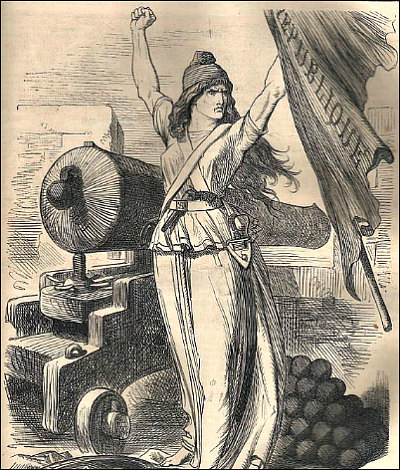
1870: Le dos de la France est contre le mur.

 Vaxnix.com: A chronology of vax hysteria in NZ.
Wiggle.space: Published poems of Alan Ireland.
Tony Curran: Rise and fall of a wannabe journalist.
Click for more of my domains and links.
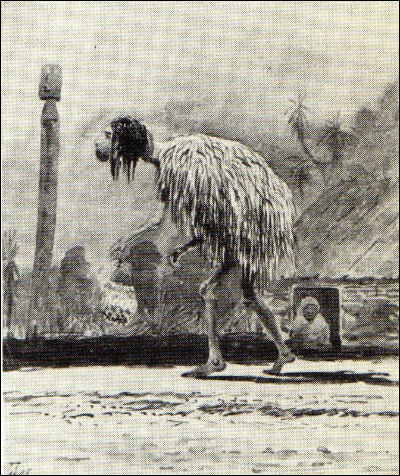
tures from early Aotearoa / New Zealand, click here.
 Chastity belts for him and her.
Dr Sanden's Electric Belt.
Dr. Scott's Electric Corset wards off disease.
Dr. Scott's Electric Flesh Brush makes you tingle.
Dr. Scott's Electric Girdle revitalizes.
Foot's Adjustable Rest-Chair.
Health Jolting Chair is great shakes.
Ladies' Handbook of Home Treatment, 347-353.
Madame Rowley's Toilet Mask: The first facelift.
Penile ring:
Don't leave home without one.
Chastity belts for him and her.
Dr Sanden's Electric Belt.
Dr. Scott's Electric Corset wards off disease.
Dr. Scott's Electric Flesh Brush makes you tingle.
Dr. Scott's Electric Girdle revitalizes.
Foot's Adjustable Rest-Chair.
Health Jolting Chair is great shakes.
Ladies' Handbook of Home Treatment, 347-353.
Madame Rowley's Toilet Mask: The first facelift.
Penile ring:
Don't leave home without one.
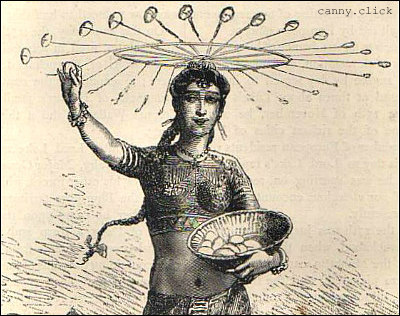
India in the 1700s-1800s: Scenes from Cassel's Illustrated History of India, Vol. I, by James Grant, published in 1876. Click here to view the gallery.
(The above picture shows a girl performing the
"egg dance". Click it to see it in full size.)

Adverisement: eligibility to appear at indian upsc civil service exam is simply a graduation but there are non conventional streams that are also eligible but are not expressly mentioned in upsc notification, and hence there is a lot of confusion - click - ias vision to get details of all the queries, doubts, etc. you can send mails to get clarity on all contentious issues. we hope to answer most of them to help you take the right decision given the circumstances and avoid precious time, since UPSC rarely answers




 Tap the book for my Goodreads